From Foul to Fresh: A Complete Guide to Attic Insulation Removal and Sanitization
There's a moment every homeowner dreads: climbing into the attic and realizing something isn't right. Maybe it's the smell. Maybe it's the scattered debris. Or maybe it's the unsettling discovery that you're not the only creature who's been calling that space home.
Recently, we tackled a project that checked all those boxes—a 2,000 square foot attic where approximately 4 inches of old insulation had become something far worse than ineffective. It had become a health hazard and a problem for the upcoming electrical upgrades that would require access to most of the attic.
The Problem Hiding Above Your Head
Old insulation doesn't just lose its R-value over time. In spaces that have seen rodent or animal activity, it can become a sponge for everything those uninvited guests leave behind. Droppings, urine, nesting materials, and the bacteria and pathogens that come with them don't stay neatly contained. They seep into the fibers. They circulate through your HVAC system. They linger.
This particular attic had seen its share of visitors. The insulation—what was left of it—was compromised beyond saving. There was no spot-treating this problem. Complete removal was the only logical path forward.
The Removal Process
Stripping 4 inches of insulation from 2,000 square feet of attic space is no small undertaking. We methodically remove every contaminated bit of it, bagging and sealing materials to prevent cross-contamination with the living spaces below.
The goal isn't just to clear the visual debris. It's to eliminate the reservoir of allergens, bacteria, and odors that compromised insulation holds onto. Every square foot matters. Every bag removed is a step toward a healthier home.
Sanitization: The Step You Can't Skip
Once the insulation was gone, the next step of the process began.
Sanitizing an attic space after contamination isn't about spraying a pleasant smell and calling it done. It's about treating every surface—rafters, decking, drywall, and cross braces —with antimicrobial solutions that neutralize the health threats rodents and wildlife leave behind.
We treated the entire 2,000 square foot envelope, ensuring that what comes next—whether that's new insulation or simply peace of mind—starts from a genuinely clean slate.
The Aftermath
Walking through that same attic after removal and sanitization feels like entering a different space entirely. The air quality improves. The musty, stale odors are gone. Most importantly, the health risks that were circulating through the home's air have been addressed at the source.
Should You Consider Insulation Removal?
Maybe.
If your attic shows signs of animal activity, water damage, or simply contains insulation that's decades old, it's worth an inspection. Contaminated insulation doesn't announce itself loudly—but it can affect your home's air quality quietly, every single day. However, just because there are contaminants that may be present doesn’t mean that you must remove the existing insulation. And just because it’s old or compacted doesn’t mean that it’s bad. But it’s certainly worth a conversation to determine the best path forward.
Ultimatley, professional removal and sanitization isn't just about cleanliness. It's about reclaiming your home's health from top to bottom.
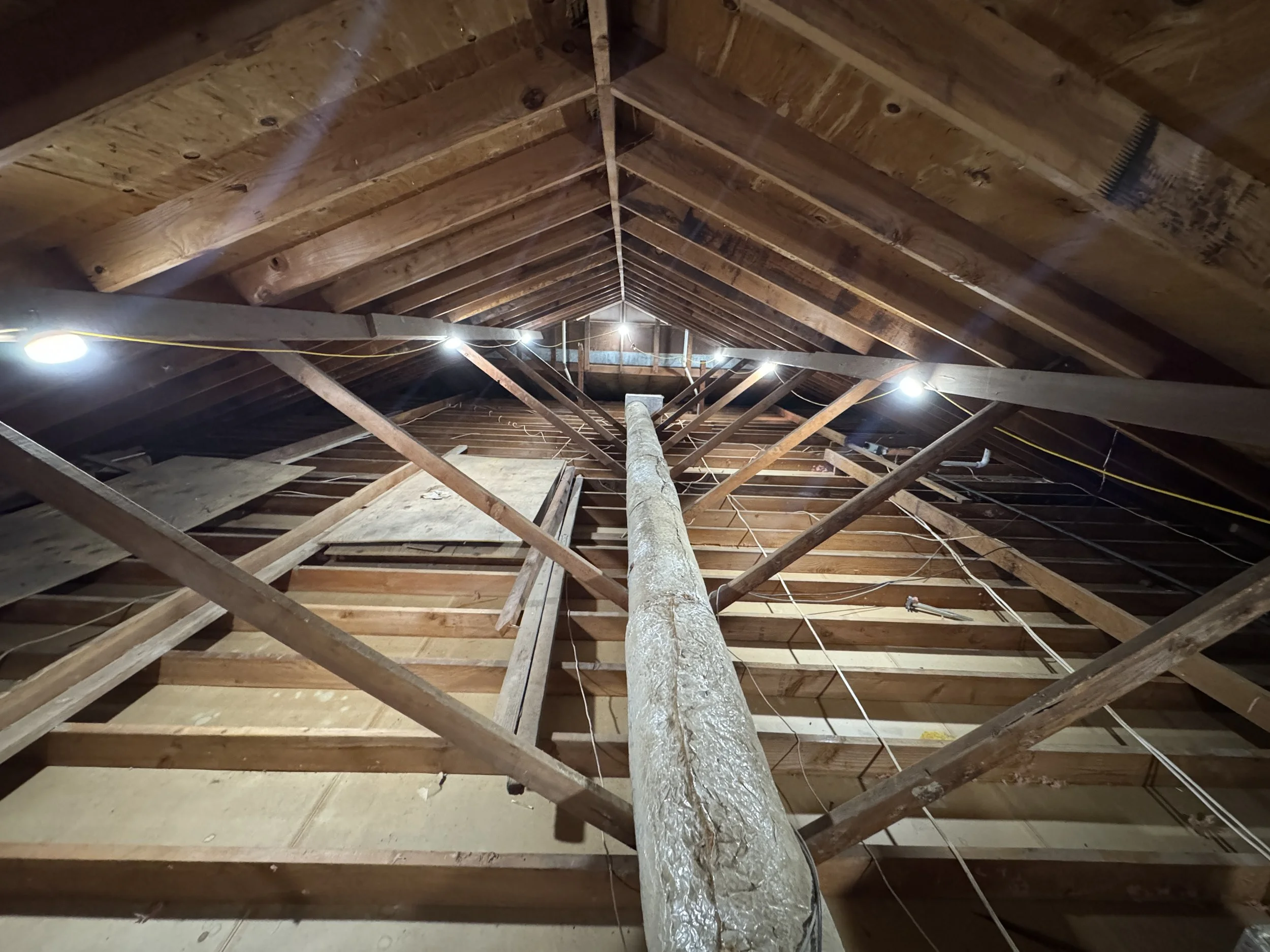
AFTER we removed the insulation.
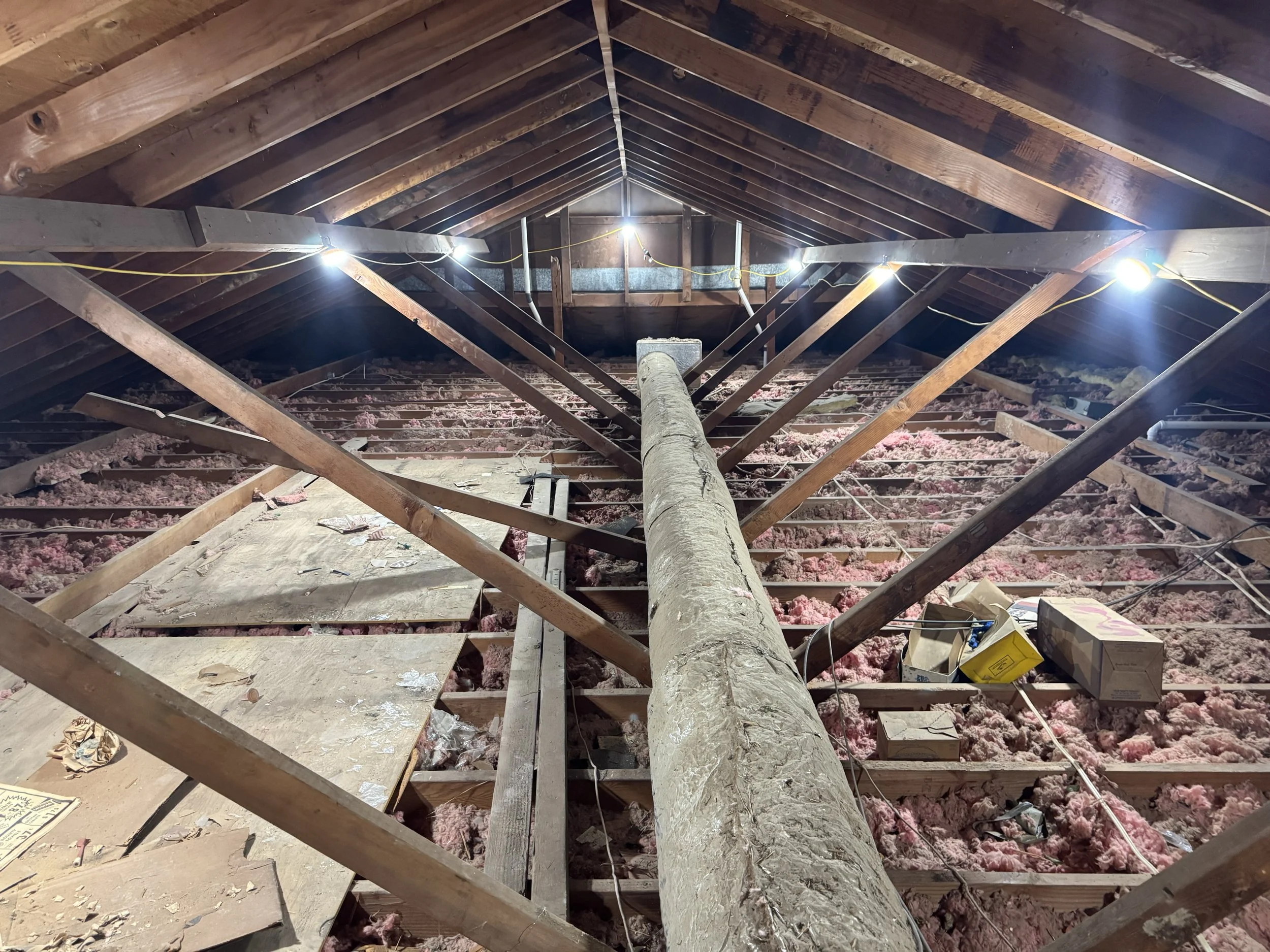
BEFORE we removed the insulation.